The Sweet History and Evolution of the Mighty Bonbon
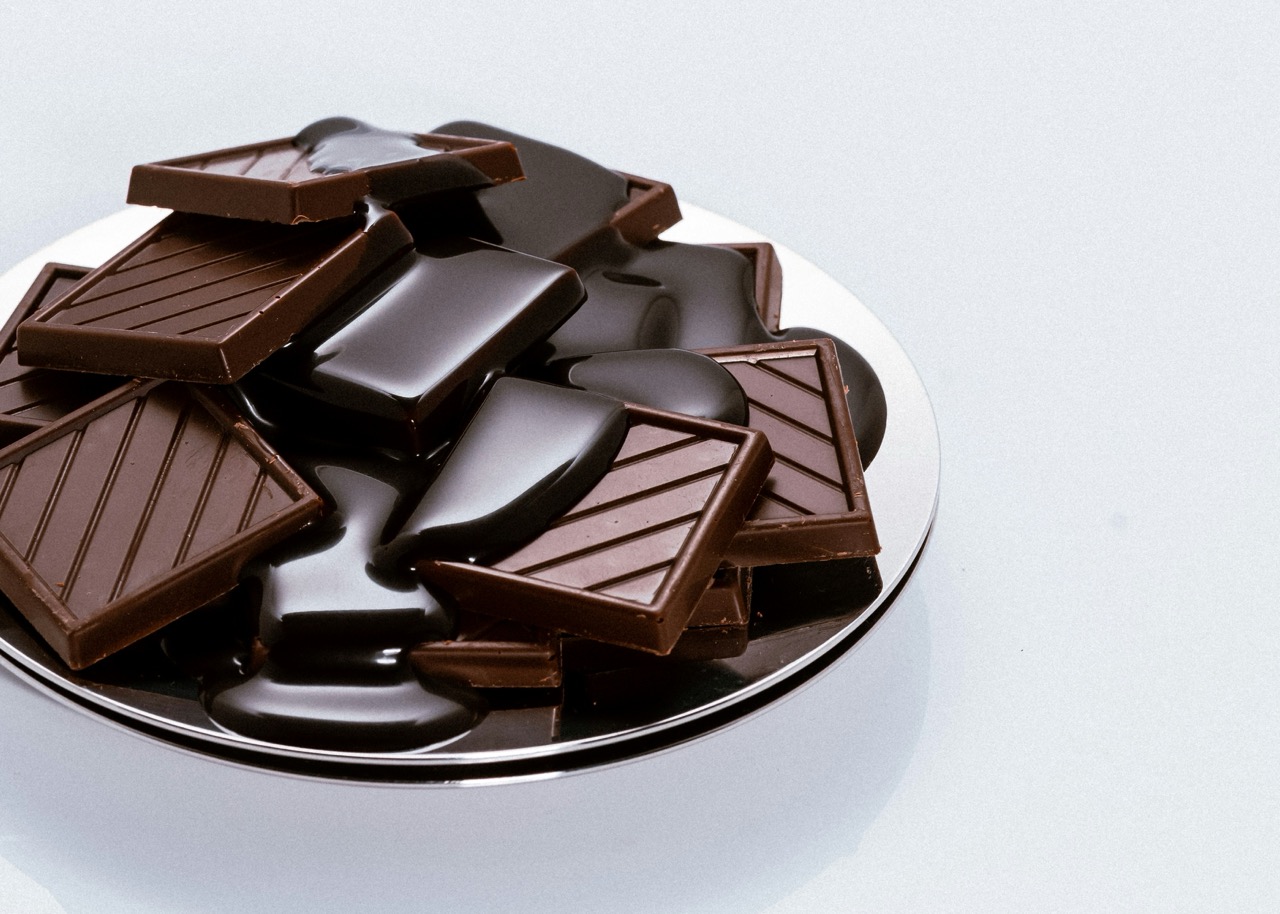
Few treats carry the same sense of elegance and pure indulgence as the bonbon. These bite-sized confections have been a symbol of luxury, celebration, and culinary art for centuries. But where did they come from, and how did a simple dipped sweet transform into the glossy, hand-painted masterpieces we see in boutique sweet shops today?
Let us take a journey through the history, the cultural variations, and the craftsmanship that define the world of bonbons.
The Royal Origins: Where the Name Comes From
If you look into the linguistics, the word bonbon is beautifully simple. It originates from the French language, where the word bon translates directly to "good." In the 17th century, children of the French royal court would excitedly repeat the word when given sweets, crying out, "Bon-bon!" (Good-good!).
The name stuck, and by the time King Louis XIV ruled France, bonbons had become an obsession among the aristocracy. In fact, during the 1700s, it was a strict New Year's tradition for French courtiers to gift each other elaborate, beautifully decorated boxes of bonbons called bonbonnières. These early versions were not the chocolate-covered treats we know today; they were typically preserved fruits, sugar-coated almonds, or small cubes of hard fondant candy.
Around the World: What Does "Bonbon" Mean to You?
Depending on where you travel in the world, asking for a bonbon might land a completely different sweet treat on your plate. Over the centuries, global cultures have adapted the concept into their own unique culinary traditions:
- In France: The classic definition remains a premium, molded chocolate shell encasing a soft center like ganache, praline, or caramel.
- In Latin America: In countries like Argentina and Uruguay, bonbons are highly commercialized and deeply popular daily treats. One famous version features a thin wafer shell covered in milk chocolate, stuffed with a rich peanut cream filling.
- In the United States: The term often refers specifically to small, rounded pieces of ice cream coated in a hardened chocolate shell, traditionally served out of a cardboard tub at the movie theater.
- In Spain and Southern Europe: A "Café Bombón" is a beloved espresso drink made by layering intense espresso directly on top of thick, sweet condensed milk in a glass, creating a liquid version of the confection.
The Science and Craft: Molding vs. Dipping
The modern artisanal bonbon is a marvel of food science. To create the perfect bite, contemporary chocolatiers rely on two primary, traditional techniques:
1. Enrobed (Dipped) Bonbons
This is the older method of the two. A chocolatier prepares a firm, structured center block, such as a dense hazelnut praline or a cooled sheet of ganache. This filling is cut into precise small squares or rectangles and then passed through a literal waterfall of melted, tempered chocolate (or dipped by hand using a delicate wire fork). The result is a rustic, uniform chocolate coating.
2. Molded Bonbons
This technique is responsible for the glassy, mirror-like finish seen in luxury chocolate shops. The chocolatier uses rigid polycarbonate molds. They paint the inside of the mold with colored cocoa butter, fill it with tempered chocolate to cast a thin shell, and then dump out the excess. Once the shell hardens, a soft or semi-liquid filling is piped inside. Finally, a final layer of chocolate is scraped across the top to seal the bottom of the sweet.
Why the "Snap" Matters
If you are evaluating a truly high-quality chocolate bonbon, the most important characteristic to look out for happens before you even taste the filling. It is all about the acoustic snap.
When you bite a premium bonbon in half, the chocolate shell should yield with a clean, audible cracking sound. This sound is proof that the chocolatier perfectly executed the tempering process. Proper tempering aligns the fat crystals within the cocoa butter. When done right, it guarantees that the chocolate remains structurally sound at room temperature, has a brilliant glossy sheen, and melts beautifully the exact moment it hits the warmth of your tongue.
The bonbon is a reminder that the best things in life often come in the smallest packages. From the royal courts of Paris to modern global variations, these tiny treats continue to bring a little bit of magic to chocolate lovers everywhere.
Bring the chocolate shop home with Sephra. Chocolate fountains, fondue melts and couverture-grade wafers shipped to your door.
See the chocolate fountains